
How to Assess Game Choice at a New Casino

Game discovery is often harder at a recently launched gambling site because a large catalogue, named software providers and Canadian access cannot be assumed from a brand name alone. For readers comparing new canadian online casino options, the useful question is not simply whether a site looks modern, but whether its game selection can be checked clearly and responsibly. This guide explains how to investigate an unfamiliar lobby, identify missing information and compare game types without treating unverified claims as confirmed features.
Start with evidence, not a promised game count
A new casino may promote a broad selection, yet a public game count is meaningful only when the catalogue can be connected to the exact operator and domain. Search results can combine similarly named brands, old pages and affiliate material from unrelated websites. That makes a visible lobby, consistent domain and identifiable game information more useful than a headline promising hundreds or thousands of titles.
For the site discussed here, dependable indexed material does not confirm a total number of games, a category breakdown or a list of software providers. It also does not verify named slot titles, live-dealer tables or other specific products. Those gaps should not be filled with assumptions based on what other casinos offer. If a catalogue is unavailable before account access, readers should regard the selection as unconfirmed rather than treating generic search snippets as evidence.
A practical first check is to record what can actually be seen: the domain, lobby categories, game names, provider labels and any stated availability restrictions. Look for consistent branding across the page and terms. If a result refers to a different domain, an app, or a similarly named casino, exclude it from the comparison. This simple discipline prevents an attractive catalogue from being mistakenly attributed to the wrong operator.
Use game categories to define what you want to play
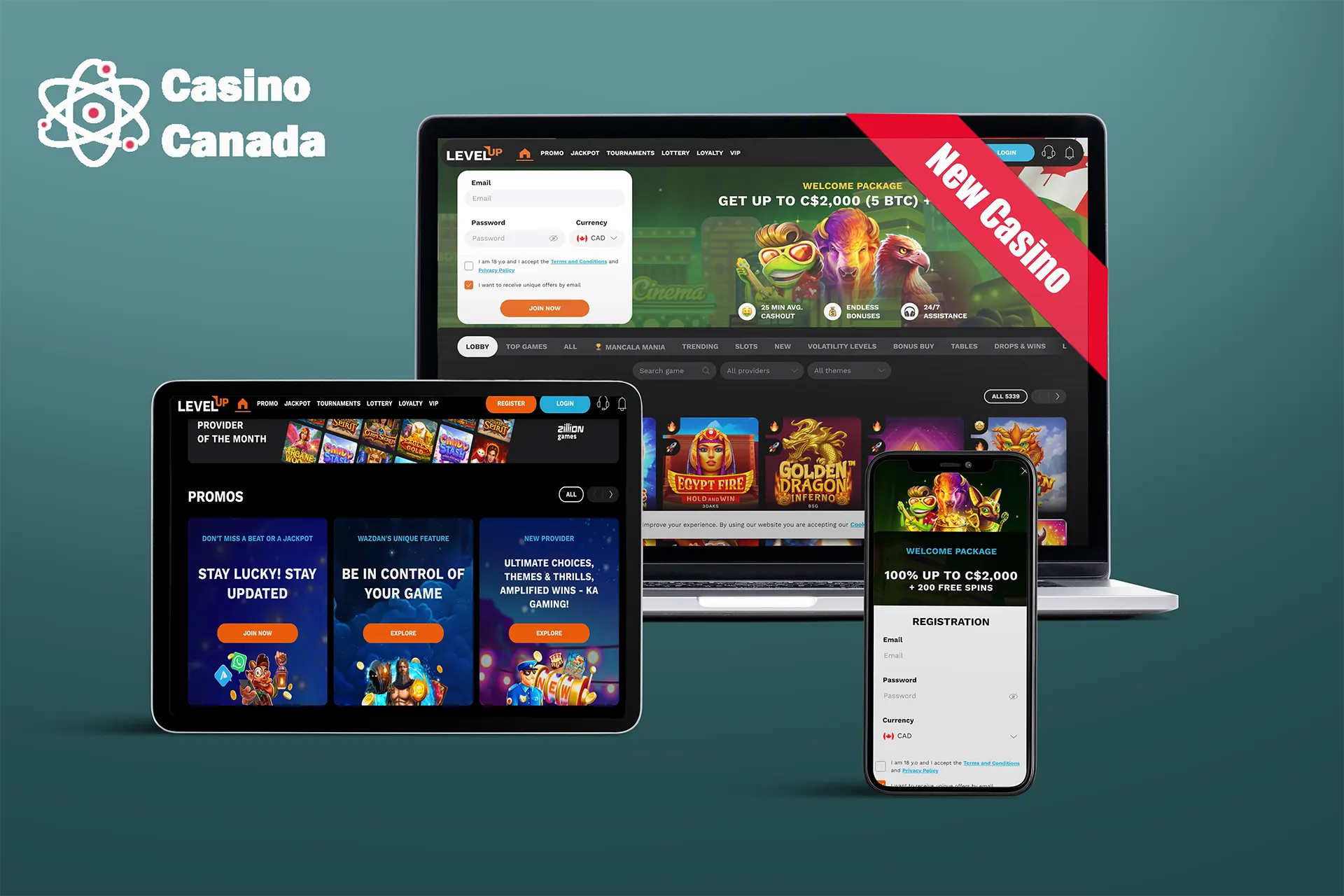
Game discovery becomes more useful when the reader begins with a preferred format instead of browsing randomly. Slots appeal to players who want changing themes, paylines or bonus features. Table games may suit those looking for familiar rules and slower decision-making. Live-dealer products, where available, add streamed interaction but can require different limits, schedules or technical conditions.
Categories should be treated as navigation aids, not promises about quality or suitability. A lobby may group games by type, feature or popularity, but the labels do not establish return-to-player figures, volatility or fairness for every title. Those details should be checked on the individual game information screen or in the operator’s published material. If a figure is absent, do not infer it from a short demonstration or from a game’s visual style.
Before comparing sites, make a short personal checklist. You might want one category for low-complexity games, another for familiar table rules and a third for titles that can be tested without immediate spending, if a genuine practice mode is offered. Then check whether the lobby makes those categories easy to locate. A smaller, clearly labelled catalogue can be more practical than a larger list with weak filtering and little information about individual games.
Check whether provider and title information is traceable
Provider names help with identification, but they should never be added by guesswork. A well-documented lobby normally presents a title alongside enough information to distinguish it from similarly named versions. That may include the developer, game rules, paytable, compatible device details and links to terms. The absence of a provider label does not automatically make a game unsuitable, but it makes independent comparison more difficult.
No dependable provider list is currently established for the exact site covered by this article. Readers should therefore avoid relying on third-party pages that attach familiar studios or popular titles to the brand without showing a direct connection. Generic pages using “new casino” wording are especially weak evidence because they may describe another operator entirely. The safest approach is to treat a provider as unconfirmed until it appears in the live, brand-specific lobby or official game information.
Technical details also matter for discovery. On a desktop browser, note whether filters load properly, whether rules open before play and whether the game name remains consistent across the lobby and information panel. On a phone, check whether controls are readable without repeated zooming. These observations do not prove performance, fairness or future availability, but they show whether the catalogue is transparent enough for an informed comparison.
Separate Canadian access from game availability
A game catalogue and Canadian eligibility are separate questions. Seeing a title online does not establish that it can be accessed from every province or territory, nor does it confirm support for a Canadian account, local currency or a particular payment method. The available material does not clearly verify province-specific access, CAD support or Interac for this operator, so those points should remain open questions.
Local rules can also differ by jurisdiction and by operator arrangement. Ontario readers, for example, can consult Ontario’s gambling regulator for official information about the provincial regulatory environment. That resource does not confirm that a particular offshore site, game or payment option is available to an individual reader. It is useful for understanding why location should be checked directly rather than inferred from Canadian marketing language.
Before spending time comparing titles, review the site’s own stated requirements for location, age, account verification and restricted regions. Do not assume that a Canadian IP address, English-language page or Canadian-themed search result settles eligibility. If the operator does not explain access clearly, that uncertainty is itself a comparison factor. A broad-looking lobby has limited value if the reader cannot establish whether the relevant games are actually available in their jurisdiction.

Make a cautious shortlist when information is incomplete
A shortlist should contain only claims that can be checked. For each unfamiliar site, note the exact domain, visible game categories, provider information, rule pages and any location statement. Mark every missing item separately instead of turning several unknowns into a general impression. This creates a more useful comparison than ranking sites by design, search prominence or promotional language.
It is also sensible to distinguish catalogue depth from catalogue usability. A site may offer many titles but provide weak filtering, unclear rules or inconsistent information. Another may show fewer games while making each title easier to identify. Neither presentation proves that games are fair or that one site is better overall. It simply tells you how much information is available before making a decision.
Finally, avoid allowing game discovery to become pressure to play. Set a spending amount and time window before opening a lobby, and stop when either limit is reached. Do not describe gambling as income, and do not increase spending to recover losses. If important catalogue, access or account information remains unavailable, waiting for clearer documentation is a reasonable decision. Uncertainty should reduce commitment, not encourage faster deposits.
Questions readers often ask about new casino game discovery
Can a search result confirm which games a casino offers?
No. Search results may combine unrelated domains, outdated pages or generic casino content. A game should be treated as confirmed only when it appears in the exact operator’s current lobby or reliable brand-specific information. Even then, availability can vary by location, account status or later catalogue changes.
Does a licence prove that a specific game catalogue is available in Canada?
No. A licence can identify an operator or regulatory framework, but it does not by itself confirm Canadian access, provincial eligibility, CAD support or individual game availability. Those details require the operator’s current terms and lobby information, checked against the reader’s jurisdiction.
What should I do when provider information is missing?
Leave the provider field unconfirmed rather than guessing from the title or appearance. Read the game’s rules and paytable, check whether the site identifies the developer elsewhere, and compare only information that can be traced to the exact domain. If important details remain absent, consider another option.